

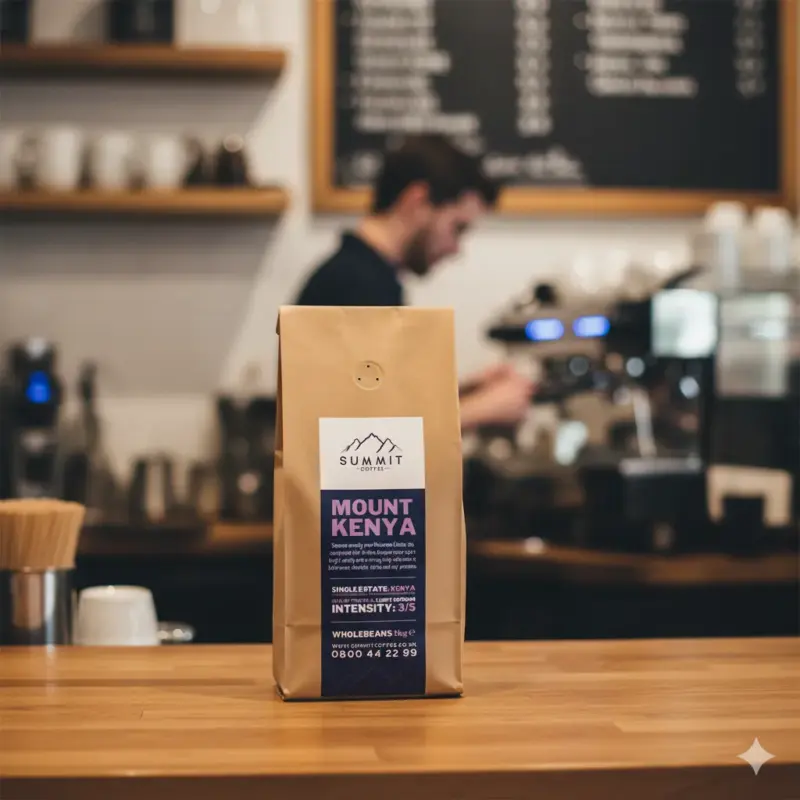
Buy Coffee Beans Online UK: Your Complete Guide to Choosing, Sourcing, and Brewing
The quest to buy coffee beans online UK can feel overwhelming when faced with countless origins, roast levels and certifications. Yet finding the perfect beans delivers richer flavour, peak freshness and ethical peace of mind. This guide outlines everything from bean varieties and single-origin nuances to organic and fair trade sourcing, specialty coffee criteria, storage and grinding best practices, brewing method alignment, health benefits and even home roasting green beans. You will learn how to identify top-rated Arabica and Robusta, evaluate certifications, master roast levels, preserve freshness, select beans for espresso or pour-over, discover antioxidant profiles and embark on small-batch green bean roasting—all organised under clear headings that map each decision step in your online coffee purchase journey.
What Are the Best Coffee Beans to Buy Online in the UK?
Finding the best coffee beans online UK means balancing flavour preferences, ethical credentials and roast freshness. Specialty roasters often offer detailed origin notes, roast dates and small-batch lots that guarantee recent harvests and transparent traceability. We proudly stock a diverse range from esteemed brands including Summit, Lavazza, Douwe Egberts, and Seven Sisters Coffee Co., ensuring both quality and variety for discerning palates. Prioritising beans with visible roast dates and clear variety declarations ensures you receive optimal aroma and acidity.
Which Coffee Bean Types Should You Consider?
Arabica beans deliver nuanced acidity, floral or fruit-forward notes and a smooth mouthfeel, while Robusta provides higher caffeine content, fuller body and crema-rich espresso extractions. Exotic varieties like Liberica and Excelsa add smoky, woody or tart fruit tones.
Before choosing, consider this comparison of core bean varieties:
| Variety | Key Characteristic | Typical Flavour Notes |
|---|---|---|
| Arabica | High acidity, delicate body | Citrus, floral, berry |
| Robusta | Bold body, high caffeine | Earthy, nutty, chocolate |
| Excelsa | Tart-fruity undertones | Stone fruit, tropical |
How Do Coffee Bean Origins Affect Flavour and Quality?
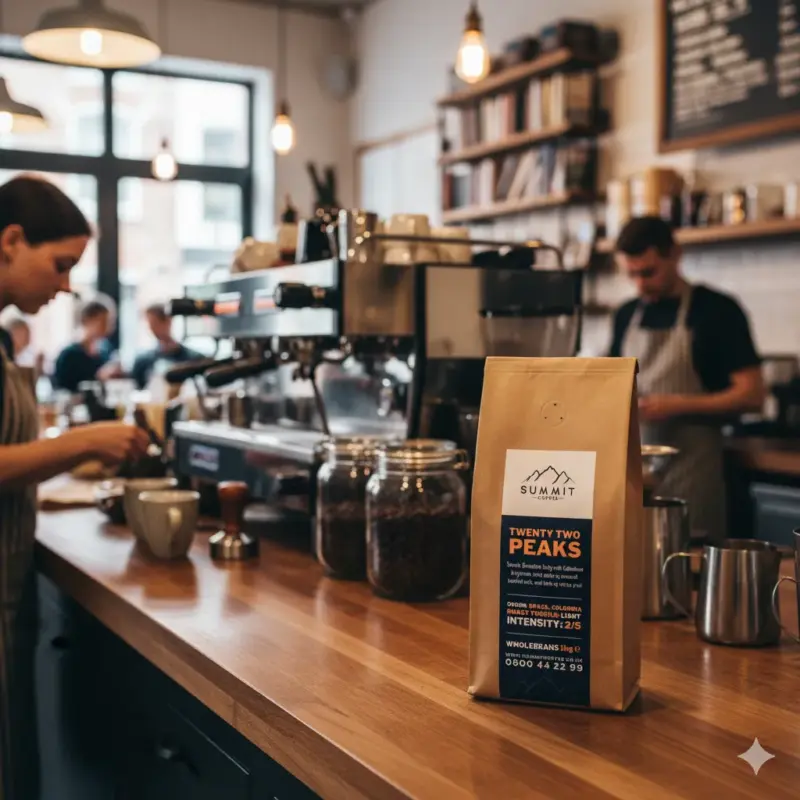
Bean origins shape flavour through soil composition, elevation and local processing practices. Ethiopian beans tend toward bright acidity and floral jasmine notes, Colombian lots balance sweetness and nuttiness, Brazilian crops often exhibit chocolatey, low-acid profiles, and Sumatran yields favour earthiness and full body. Understanding regional microclimates and processing methods helps you predict cup characteristics and choose beans that match your palate.
What Are the Top Certifications to Look for When Buying Coffee Beans?
Organic, Fair Trade and Rainforest Alliance certifications signal sustainable farming, reduced chemical input and farmer support. Organic labels guarantee pesticide-free cultivation, Fair Trade ensures minimum prices and social investment, and Rainforest Alliance promotes biodiversity and ecosystem protection. Prioritising certified beans aligns your purchase with environmental stewardship and ethical trade principles.
Fair Trade & Organic Coffee Certifications: Impact on Small-Scale Farmers
ABSTRACT: AbstractWe provide a review of sustainable coffee certifications and results from a quantitative analysis of the effects of Fair Trade, organic and combined Fair Trade/organic certifications on the livelihood strategies of 469 households and 18 cooperatives of Central America and Mexico. Certified households were also compared with a non-certified group in each country. To analyze the differences in coffee price, volume, gross revenue and education between certifications, we used the Kruskal–Wallis (K–W) non-parametric test and the Mann–WhitneyUnon-parametric test as apost-hocprocedure. Household savings, credit, food security and incidence of migration were analyzed through Pearson’s chi-square test. Our study corroborated the conditions of economic poverty among small-scale coffee farmer households in Central America and Mexico. All certifications provided a higher price per pound and higher gross coffee revenue than non-certified coffee. However, the average volumes of coffee sold b
Effects of Fair Trade and organic certifications on small-scale coffee farmer households in Central America and Mexico, VE Méndez, 2010
How to Evaluate Coffee Bean Freshness and Roast Levels?
Freshness hinges on roast date, packaging methods and storage. Aim for beans roasted within the past four weeks and sealed in one-way valve bags. Roast levels—Light (350–410°F, high acidity), Medium (410–430°F, balanced sweetness) and Dark (430–450°F, pronounced body)—dictate flavour intensity and brewing compatibility. Always check roast descriptions and seek reputable brands like Lavazza, Douwe Egberts, and Seven Sisters Coffee Co. who clearly date their batches for maximum aroma preservation.
How to Choose Organic and Fair Trade Coffee Beans in the UK?
Selecting organic and Fair Trade coffee beans in the UK connects quality drinking with ethical sourcing and environmental responsibility. Organic certifications verify chemical-free cultivation, while Fair Trade labels ensure equitable farmer remuneration and community development. Together, these credentials elevate your coffee ritual into a positive social and ecological impact.
What Are the Benefits of Buying Organic Coffee Beans?
Organic coffee beans promote health by eliminating synthetic pesticide residues, protect soil health through crop rotation and support biodiversity. Certified farms undergo rigorous inspections, and beans often exhibit cleaner, more vibrant flavour profiles owing to careful processing. Choosing organic aligns your brew with premium quality and sustainable agriculture values.
How Does Fair Trade Coffee Support Farmers and Sustainability?
Fair Trade coffee supports farmers by guaranteeing minimum prices above market rates, funding community projects and fostering cooperative governance. This model reduces economic volatility, empowers small-scale producers and incentivises sustainable land management. Fair Trade certification thus links your purchase to tangible social and environmental improvements.
Where Can You Find Certified Organic and Fair Trade Coffee Beans Online?
For certified organic and Fair Trade coffee beans, look no further than our selection. We feature ethically sourced options from trusted brands such as Summit, Lavazza, Douwe Egberts, and Seven Sisters Coffee Co., many of which highlight Soil Association organic and Fairtrade International logos. We ensure transparency, with details on cooperative partnerships and farm origin stories where available, so you can be confident in receiving ethically approved beans with traceable supply chains and consistent quality. Discover our certified range today.
Explore Our Certified & Ethically Sourced Coffee Beans
Find your perfect ethical brew from our selection of top brands.
What Are Specialty Coffee Beans and Why Are They Worth Buying?
Specialty coffee beans represent the top 10% of global harvests, scored 80+ by the Specialty Coffee Association for exceptional quality, traceability and unique flavour profiles. These beans often come from single farms or micro-lots, processed with precision and roasted in small batches to highlight origin characteristics. Investing in specialty coffee means savouring extraordinary taste complexity and supporting artisan producers.
How Are Specialty Coffee Beans Different from Regular Beans?
Specialty beans undergo rigorous grading for defects, moisture content and sensory attributes, ensuring uniformity and cup excellence. Regular commercial beans tolerate higher defect rates and bulk mixing, while specialty producers focus on single-origin integrity, precise processing and small-batch roasting that preserve delicate notes.
What Flavour Profiles and Processing Methods Define Specialty Beans?
Washed processing accentuates acidity and clarity, natural (dry) processing amplifies body and sweetness, and honey processing balances fruitiness with clean finishes. Flavour wheels for specialty lots reveal citrus, stone fruit, berry, floral and caramel notes—each reflecting nuanced farm, varietal and processing choices that invite connoisseur exploration.
How to Select Specialty Coffee Beans Based on Your Brewing Method?
Espresso-focused specialty beans often suit dark to medium-dark roasts for robust body and crema, while lighter roasts highlight single-origin acidity in pour-over, drip or Chemex brews. French press benefits from medium-coarse grinds that balance extraction and texture, and cold brew excels with coarse grinds of naturally processed beans for sweet, low-acid profiles.
How to Store and Grind Coffee Beans for Maximum Freshness and Flavour?
Proper storage and grinding are critical to preserving the delicate aroma compounds and volatile oils in coffee beans. Airtight, opaque containers kept in cool, dark locations shield beans from oxygen, light and moisture—three primary culprits of flavour degradation. Grinding immediately before brewing unlocks peak flavour by minimising surface oxidation.
What Are the Best Storage Methods for Coffee Beans?
Use sealed containers with one-way valves or airtight lids, store beans away from heat sources and avoid transparent jars that expose beans to light. Keep the container in a cupboard or pantry at stable room temperature, never in a refrigerator or freezer for short-term use as beans can absorb odours and moisture.
How Does Grind Size Affect Different Brewing Methods?
Burr grinders deliver uniform particles suited for precise extraction, while blade grinders produce uneven sizes that risk over- or under-extraction. Espresso demands a fine, consistent grind, pour-over uses medium-fine grounds for balanced extraction, French press calls for coarse particles and cold brew requires an even coarser setting for extended steep times.
What Are the Steps to Properly Grind Coffee Beans at Home?
- Measure Beans – Use a scale to weigh beans for consistent dose.
- Adjust Grinder – Select grind size matching your brew method.
- Grind in Batches – Grind immediately before brewing to preserve volatile oils.
- Store Grounds Briefly – Use within minutes or store in an airtight container for a maximum of 15 minutes.
Following these steps ensures you capture the coffee’s full aroma and flavour before it dissipates.
What Are the Best Coffee Beans for Espresso and Other Popular Brewing Methods?
Choosing beans optimised for espresso versus other brewing styles makes all the difference in your cup’s balance, body and flavour clarity. Espresso requires beans with proper roast levels and a robust body to extract a rich crema, while pour-over and filter methods showcase single-origin acidity and nuanced tasting notes.
Which Coffee Beans Produce the Best Espresso Crema?
Dark-roast Arabica or Arabica-Robusta blends deliver oils and solids that form a stable crema layer. High-caffeine Robusta contributes crema density and sweetness, while specialty Arabica enhances flavour complexity. Look for blends labelled specifically for espresso with roast dates within the past three weeks.
How to Match Coffee Beans to French Press, Pour Over, and Cold Brew?
Medium roast single-origin beans with balanced acidity suit French press methods that emphasise body and texture. Light to medium roasts from Ethiopian or Kenyan origins excel in pour-over for bright, clean cup profiles. Coarsely ground, naturally processed beans are ideal for cold brew, offering smooth sweetness with low acidity.
What Are the Differences Between Arabica and Robusta for Espresso?
Arabica yields nuanced acidity, floral and fruity notes, and a delicate crema, while Robusta offers a heavier body, higher caffeine content and a thicker crema layer. Blending the two balances sweetness, crema stability and flavour complexity, resulting in an espresso shot with both depth and aromatic lift.
What Are the Health Benefits of Drinking Coffee Beans?
Coffee beans contain antioxidants, polyphenols and bioactive compounds that support health when consumed in moderation. Regular coffee intake links to reduced risk of type 2 diabetes, Parkinson’s disease and certain liver conditions. These benefits vary by bean variety, roast level and brewing method, inviting coffee lovers to explore both taste and wellness connections.
Which Coffee Bean Types Have the Highest Antioxidant Levels?
Robusta beans contain up to twice the chlorogenic acids of Arabica, delivering superior antioxidant capacity. Lighter roasts preserve more of these compounds, while darker roasts develop melanoidin antioxidants through Maillard reactions. Selecting robusta-heavy blends or light-medium roasts maximises free-radical scavenging potential.
How Does Coffee Consumption Affect Wellness and Disease Risk?
Studies from 2022–2025 show that drinking three to five cups daily correlates with up to 20% lower cardiovascular disease risk, improved insulin sensitivity and neuroprotective effects. Bioactive compounds such as chlorogenic acids and diterpenes modulate inflammation and support metabolic health, making coffee a functional beverage beyond stimulation.
Fair Trade & Organic Coffee Certifications: Impact on Small-Scale Farmers
ABSTRACT: AbstractWe provide a review of sustainable coffee certifications and results from a quantitative analysis of the effects of Fair Trade, organic and combined Fair Trade/organic certifications on the livelihood strategies of 469 households and 18 cooperatives of Central America and Mexico. Certified households were also compared with a non-certified group in each country. To analyze the differences in coffee price, volume, gross revenue and education between certifications, we used the Kruskal–Wallis (K–W) non-parametric test and the Mann–WhitneyUnon-parametric test as apost-hocprocedure. Household savings, credit, food security and incidence of migration were analyzed through Pearson’s chi-square test. Our study corroborated the conditions of economic poverty among small-scale coffee farmer households in Central America and Mexico. All certifications provided a higher price per pound and higher gross coffee revenue than non-certified coffee. However, the average volumes of coffee sold b
Effects of Fair Trade and organic certifications on small-scale coffee farmer households in Central America and Mexico, VE Méndez, 2010
Are Organic Coffee Beans Healthier Than Conventional Ones?
Organic coffee avoids synthetic pesticide residues and heavy metals, reducing chemical exposure while preserving bean phytochemicals. Certified organic farms follow soil-friendly practices that enhance trace mineral content. Choosing organic therefore aligns health benefits with cleaner ingredient sourcing and sustainable agriculture.
How to Buy Green Coffee Beans for Roasting at Home or Wholesale in the UK?
Green coffee beans are unroasted seeds that allow home roasters and wholesale buyers to customise roast profiles, experiment with flavour development and source bulk lots at lower per-kilogram costs. Roasting at home unlocks control over roast degree and freshness but requires specialised equipment and safety measures.
What Are Green Coffee Beans and How Do They Differ from Roasted Beans?
Green coffee beans are raw seeds that retain moisture, chlorophyll and raw enzymatic properties, lacking the aroma compounds produced during roasting. Roasted beans undergo Maillard reactions and caramelisation, developing colour, oiliness and full aroma—changes that occur at temperatures above 350°F.
How to Choose Green Coffee Beans Based on Origin and Variety?
Select green beans by origin flavour expectations: Ethiopian green beans reveal floral, fruity notes when lightly roasted; Brazilian lots develop nutty sweetness; Sumatran green yields earthy, herbal tones. Variety selection—Typica, Bourbon, Caturra—also impacts acidity and body, so match bean genetics to your roast goals.
What Equipment and Techniques Are Needed for Home Roasting?
Home roasting requires a dedicated coffee roaster or a modified popcorn popper, a heat source with temperature control, a chaff collector and cooling tray. Roast profiles involve tracking first crack and second crack, adjusting heat to achieve light, medium or dark roasts. Proper ventilation and fire safety practices are essential to manage smoke and chaff buildup.
Roasting your own green beans transforms coffee appreciation by connecting farm origin through every stage of bean development—completing the loop from raw harvest to brewed cup.
Coffee buying online in the UK has never offered more choice or transparency. Armed with knowledge of bean varieties, origins, certifications, specialty standards, storage, grinding and brewing method alignment, you can confidently explore a world of flavours. Prioritising freshness, ethical sourcing and roasting precision ensures each cup reflects your taste and values. Explore our exceptional range of coffee beans from Summit, Lavazza, Douwe Egberts, and Seven Sisters Coffee Co. today and elevate your daily ritual, espresso indulgence, or home roasting innovation.
Find Your Perfect Brew Today!
Browse our full selection of premium coffee beans from Summit, Lavazza, Douwe Egberts, and Seven Sisters Coffee Co.